How a child’s story unfolds at Anvi.
Every family arrives with a different question. This is the path we walk with them — from the first nervous conversation to the day a child does something on their own for the first time.
From 2 children to 185+ students
Anvi Special Education and Rehabilitation Foundation started its journey in 2023 with just 2 children in a small place.
With dedication, teamwork, and the trust and support of parents, Anvi has grown today to reach 185+ students with multiple disabilities — and 75+ of them are now ready for mainstream schools.
Alongside supporting children, we have reached and empowered 180+ parents through our Parent Empowerment Programme, helping families understand, support and advocate for their children.
A child’s path at Anvi
A parent walks in with a worry
Sometimes it is a three-year-old who has not started speaking. Sometimes it is a ten-year-old the school could not keep up with. We sit with the family, listen without hurry, and spend time simply watching the child play — because a child at ease tells you more than any checklist.
We find out what the child can already do
A structured developmental and functional assessment maps out communication, motor skills, self-care, behaviour and academic readiness. The report goes to the parents in plain language, so the plan starts from strengths rather than from a diagnosis label.
One child, one Individualised Education Plan
Goals are written in small, reachable steps, with the special educator and every therapist working from the same document. Parents receive a copy and know exactly what is being worked on this term and why.
Daily sessions, steady practice
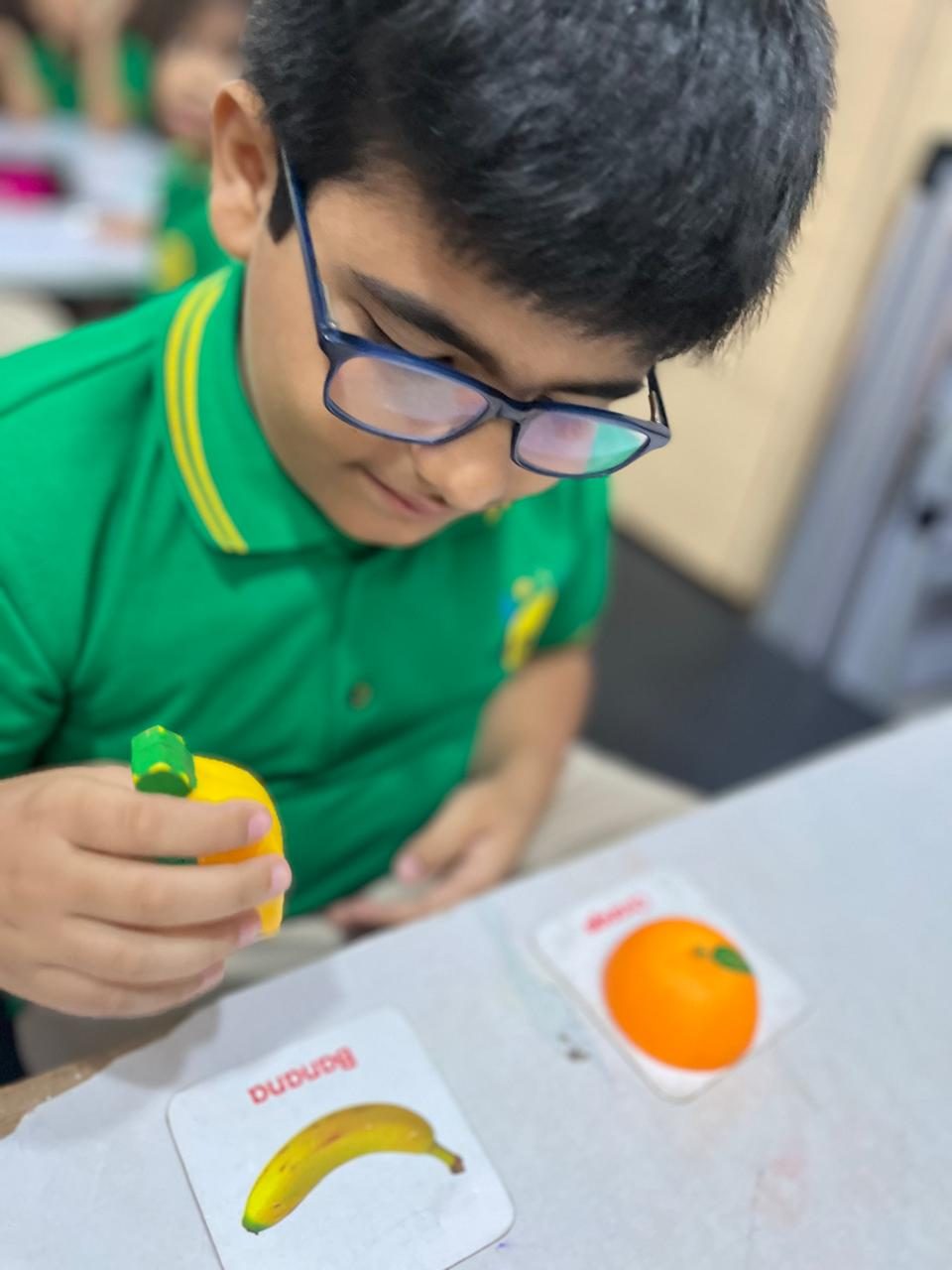
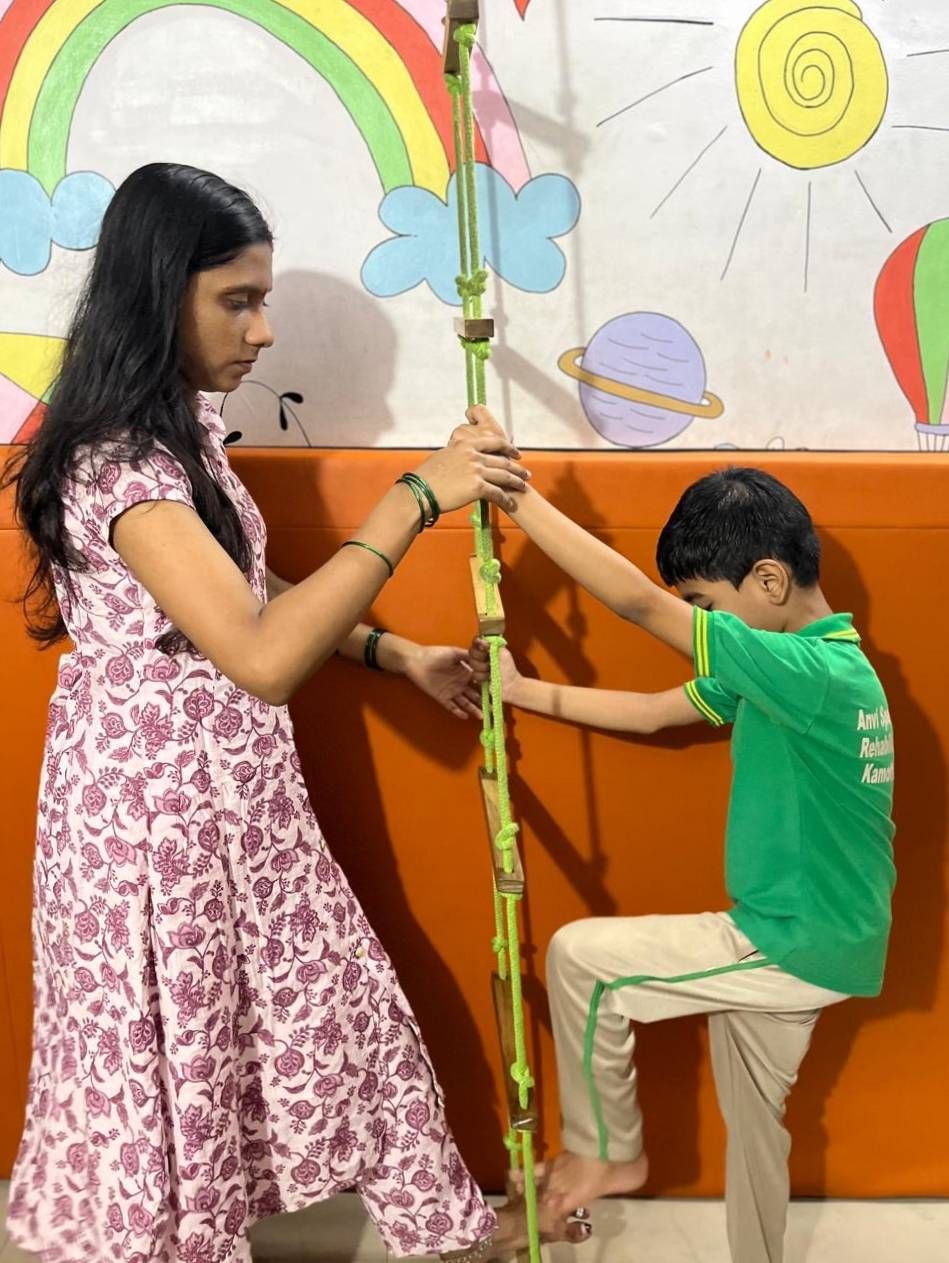
Special education classes, one-to-one sessions, occupational therapy, speech therapy and behaviour therapy run through the week. Progress is recorded session by session, and the plan is revised the moment the child outgrows it.
Parents become co-teachers
Through the Parents Empowerment Programme and counselling, families learn to continue the work at home — handling a meltdown, building a routine, teaching a child to dress, eat and travel on their own. This is the part that makes progress stick.
The child steps outside the centre
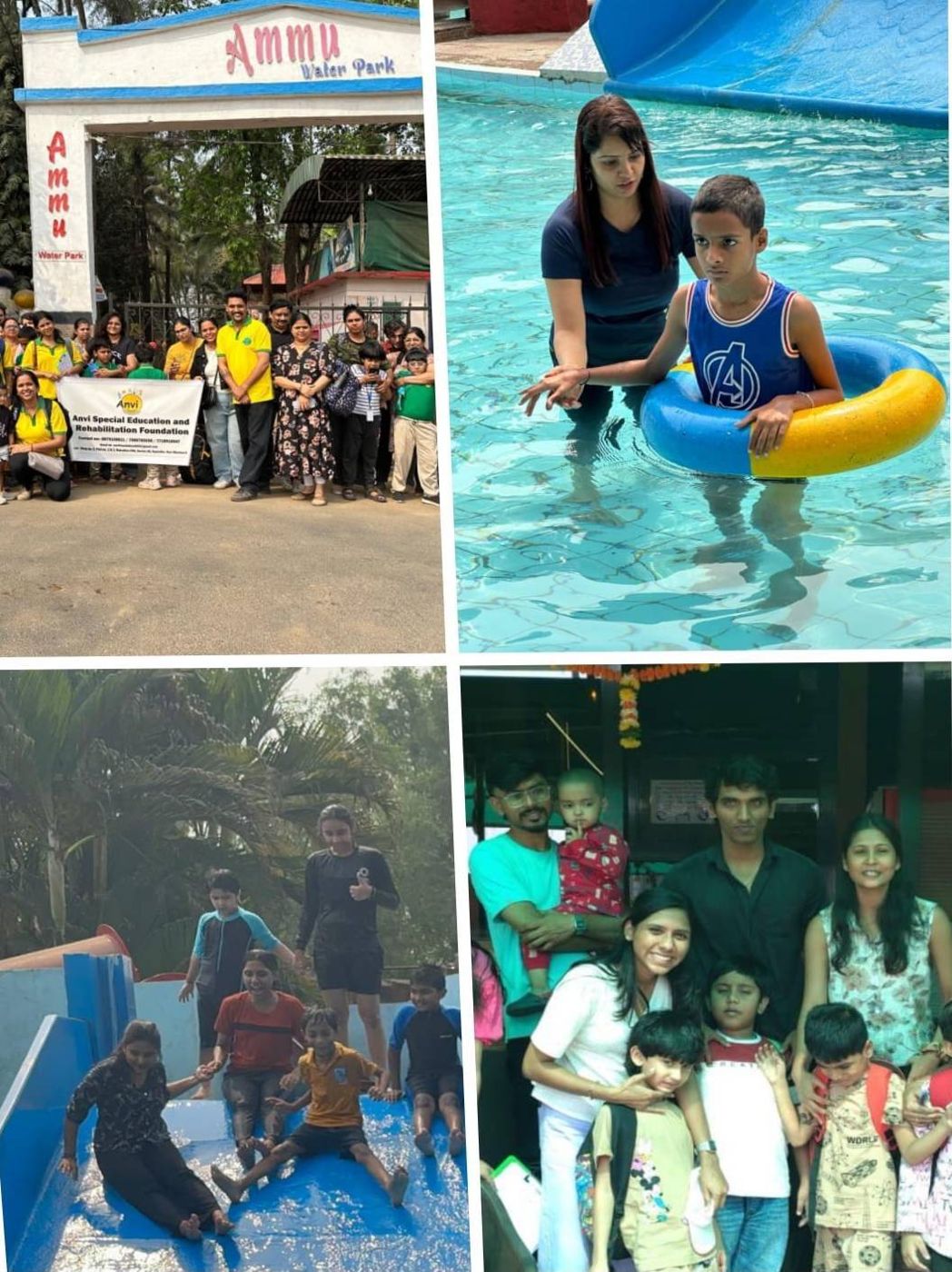
Group activities, festivals, outings and travel training move learned skills out of the therapy room and into shops, buses, parks and gatherings, where they actually count.
From classroom to a life of their own
Older students move into pre-vocational and vocational training — handling money, using transport, and learning a skill that can become work. The goal was never a certificate. It was a life lived with dignity.
The plan changes. The promise does not.
A child who joins us at three and one who joins at thirteen follow very different routes. What does not change is that somebody is holding the whole picture: the goals, the therapies, the home programme and the family’s own wellbeing.